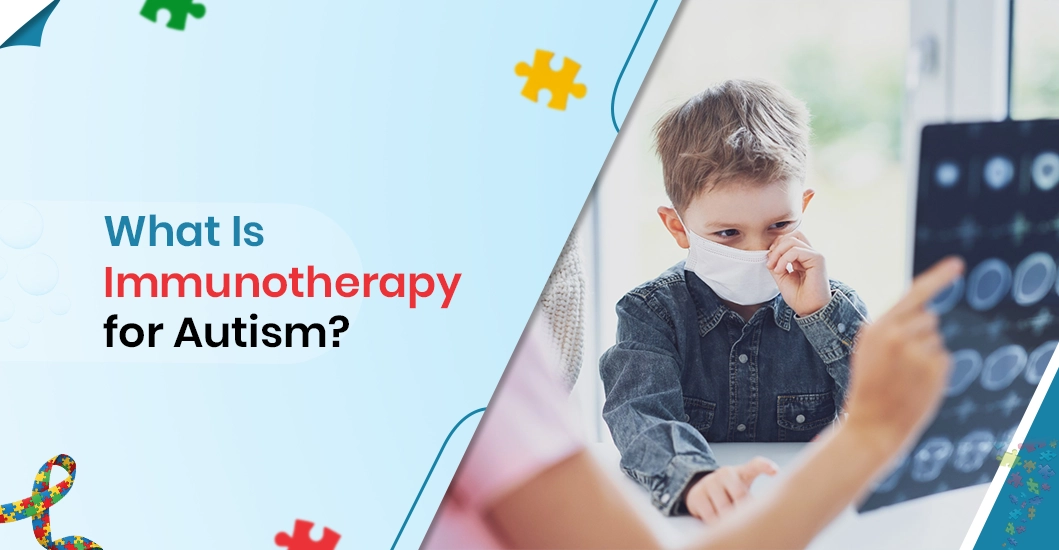
Autism in general is a problem we know of in brain growth or function. But, according to recent scientific research this has been shown to have a link to the immune system in our body. When parents of children with autism search for it, you may hear words like ‘autism immunotherapy’, ‘prevention of inflammation caused by autism’ or ‘immune system – autism’. And do immune system-based treatments really help children with autism? It cannot be answered directly whether it is yes or no.
“Autism immunotherapy” is the treatment used to correct allergies, swellings, or disorders of the immune system (Immune dysregulation) seen in children with autism. Immunotherapy is not a traditional treatment for autism. Researchers are looking at this approach for children who have autism as well as immune system problems at the same time. But immunotherapy may help manage certain immune-related health problems in some children. Parents may notice improvements in these areas.
The Link between the Immune System and Autism
Research has been going on for many years on the connection between autism and the immune system. Researchers note that some children with autism have the following problems:
Allergies, Frequent infections
Stomach/digestion problems
Improper functioning of the immune system
Inflammatory markers are more common compared to other children
However, this does not mean that autism is caused by immune system problems. But, it seems that this may damage the health of some children.
To be easily understood, if a child is constantly suffering from allergies, stomach ache or swelling, It will be very difficult for them. Although these new treatments do not directly cure autism, they may help manage those health problems. Parents should note this difference.
What Is Immunotherapy for Autism?
Parents ask “What is Immunotherapy for Autism?”, It usually means talking about treatments that correct or balance deficiencies in the immune system.
It has different meanings in different places in the medical field. In allopathic medicine, specific treatments for severe allergies and immune disorders are called immunotherapy. In alternative medicine such as homeopathy (Homeopathic immunotherapy), special treatments are given to boost immunity according to the child’s body constitution.
The important thing is… Immunotherapy is not a single treatment. It is a group of methods that treat a variety of immune problems that come with autism.
How Does Immunotherapy Work in Autistic Children?
The theory behind this is simple. When children have immune disorders, allergies, or stomach problems, healing them improves their health and makes daily life easier. Scientists are still researching these issues. Hence, what kind of treatment a child needs is determined by their personal health. Two children with autism do not have the same problems; their body constitutions are different.
Who Is Immunotherapy For? (Is My Child a Candidate?)
Not every child with autism needs immunotherapy. Only children with the following problems can be assessed:
Unrelenting allergies
Repeated infections
Chronic inflammation
Severe digestive problems
Immune system dysfunction (if detected by doctors)
It is natural for parents to feel anxious when other health problems unrelated to autism (repeated infections, food intolerances, skin problems, stomach ache) appear in children. In that case, it is better to undergo medical tests. The main purpose here is not to “totally change the autism”, but to reduce other health problems that are making life more difficult for a child with autism.
The Assessment Process: What Happens Before Treatment Begins
A responsible medical procedure always starts with a complete examination. Doctors usually look into these things before starting treatment:
Past Health History (Medical History): Previous Diseases, Allergies, Medicines being Used and Family Health Details.
Current symptoms: Digestive problems, insomnia, changes in behaviour, skin problems and respiratory problems.
Immune problems: Signs of immune deficiencies or inflammations.
Treatments offered so far include: speech therapy, occupational therapy, behavioural therapy, and dietary regimens.
By looking at all these things together, doctors will have an understanding of the child’s overall health.
Step-by-Step: What the Treatment Process Looks Like
This treatment is not the same for everyone, but usually takes place in the following four stages:
Step 1: Comprehensive tests (Thorough Evaluation): Doing complete tests on child growth, immunity and medical problems.
Step 2: Special Treatment (Customized Treatment): Preparing a special treatment plan to match the child’s health status.
Step 3: Continuous monitoring (Continuous Observation): Doctors are constantly monitoring how the child responds to treatment.
Step 4: Continuing Other Therapies: While giving immunotherapy, speech and behavioural therapies are also offered together.
Benefits of Immunotherapy for Autism: What Parents Report
There is a difference between the changes parents observe and what has been scientifically proven. Parents of some children who received treatment observed the following changes:
Improved general health
Better sleep
Agility in daily tasks
Good digestion
Decreased allergy
Increased Energy levels
However, these changes are not the same in all children. There is no scientific evidence that immunotherapy can completely cure autism. It is better to focus on small real changes in the health of children without expecting big results.
Immunotherapy vs Other Autism Treatments: How Does It Compare?
Support given to children with autism in general focuses on their growth. It includes:
Speech therapy (to speak)
Occupational therapy (to do daily tasks)
Behavioural therapy (for behavioural changes)
Education support
Programs that integrate into society
But immunotherapy is different. It does not cure autism, but simply reduces other body health problems associated with autism. So it is wrong to compare the two. While the child is being treated for immune problems, speech therapy can also benefit the child. One is not a substitute for the other.
Is Immunotherapy for Autism Safe?
Whether it is safe depends on the specific treatment given, because “autism immunotherapy” is not the single treatment. So the right decision should be taken only after talking to doctors who have a thorough understanding of autism and children’s health.
What to Realistically Expect: A Timeline for Parents
Many parents think that changes should come immediately when they start treatment, but that is wrong. Changes in health will come slowly. Some problems in some children may subside quickly, while others may not show much change. Here is how to observe changes:
Sleeping pattern
The child is calm
Good digestion
Decreased allergy
Enthusiastic participation in daily activities
The time it takes to make a change depends on the severity of the child’s health problem.
Dr. A. M Reddy’s Approach to Immunotherapy at Positive Autism
In ‘Positive Autism’ Dr. A.M. Reddy’s immunotherapy consultation examines the child’s full health, rather than merely looking at the name autism. First, the child is fully assessed for growth, behaviour, health problems, immunity and allergies. Allergies, swelling, stomach problems, infections are identified if necessary, and an individualized treatment plan is recommended based on the child’s needs.
We are with you
If you notice allergies, swellings, or recurring health problems in your child, start with a full range of medical tests first. Rather than treatments that make great false promises, a treatment regimen designed to fit your child’s true health condition is always better.
We are here to listen, understand, and guide you with care. Contact our team to share your problems. You are not alone in this journey, we will be with you
Frequently Asked Questions
Does immunotherapy work for autism?
Immunotherapy has not been scientifically proven to cure autism completely. But this treatment is being considered for children with autism as well as immune problems.
What is the relationship between autism and the immune system?
According to research, some children with autism have different immune systems, swellings, or allergies than other children. Research is still ongoing.
Is autism immunotherapy easy to get in India?
This treatment is available in some clinics in India. But it is important to consult qualified doctors before starting any treatment.
Can immunotherapy replace speech therapy or occupational therapy?
Definitely not. Speech or occupational therapies are essential for children with autism. Although immunotherapy is given, these therapies are also given together for better results.
What can parents expect when they meet doctors?
Doctors thoroughly examine a child’s health, explain honest goals, have continuous follow-ups, and explain what the treatment will involve.