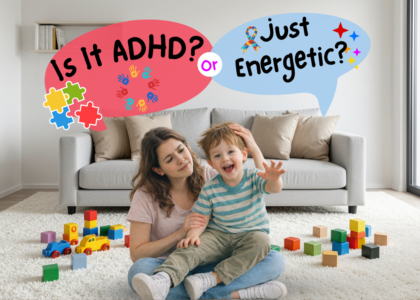
Every parent has seen their child running around, talking nonstop, or having trouble sitting still — but when does normal childhood energy cross the line into ADHD disorder? Kids are naturally active and curious, but when these behaviors become overwhelming, persistent, and disruptive across home and school, it’s no longer something to simply wait out. Recognizing the early signs of ADHD disorder can make a life-changing difference for your child.
This blog breaks down the main differences between normal childhood energy and clinical concerns, sharing practical tips, real-life examples, and medical facts.
Understanding Childhood Energy vs Hyperactivity Disorder
Children are wired to explore the world through movement. Their brains are still developing, and physical activity plays a critical role in cognitive and emotional growth. Running, jumping, and even occasional impulsive behaviour are completely normal.
But hyperactivity disorder is more than just having lots of energy. It’s a recognised neurodevelopmental condition that affects how a child focuses, controls their behaviour, and manages impulses not just at home but everywhere they are.
The main difference is how consistent and impactful the behaviour is. A naturally energetic child can settle down when needed, adjust to places like school, and follow guidance. But a child with clinical hyperactivity struggles to control their behaviour no matter where they are or what’s going on.
This difference matters a lot. Labelling a child as “just naughty” can delay getting them the help they truly need.
Early Signs That Should Not Be Ignored
Early signs of (ADHD) attention and hyperactivity issues can be subtle, so they’re easy to overlook. At first, these behaviours might just seem like part of a child’s personality rather than real developmental concerns.
A child who jumps from one activity to another without finishing might not just be bored. Someone who often interrupts might not just be chatty. When these behaviours occur repeatedly and across different settings, they could indicate deeper attention issues.
Pay attention to whether the behaviour shows up in different places. If your child acts the same way at home, school, and with friends, it’s a strong sign that the issue goes beyond just the situation.
How intense the behaviour is also matters. It’s normal for kids to be impulsive now and then, but if their reactions seem out of control or much stronger than the situation calls for, it’s worth taking a closer look.
When Does Hyperactivity Become a Concern?
The change from normal behaviour to a clinical concern isn’t about one single event but a pattern that develops over time. Instead of asking “Is my child active?” it’s better to ask, “Is this behaviour interfering with their daily life?”
When hyperactivity starts interfering with learning, a child may find it hard to follow instructions, finish assignments, or stay engaged during lessons. Over time, this often leads to academic struggles that quietly chip away at their confidence.
Socially, children may find themselves left out or rejected because of impulsive behaviour, trouble taking turns, or constant interruptions. Left unaddressed, this can build into real frustration and emotional distress.
At home, even ordinary routines can feel like an uphill battle. Homework, mealtimes, and bedtime can turn into daily power struggles — exhausting for the child and stressful for the entire family.
Causes and Risk Factors You Should Know
Knowing what causes these conditions can help parents stop feeling guilty and focus on taking informed steps. Hyperactivity and attention problems aren’t caused by bad parenting or lack of discipline. Research shows they come from a mix of neurological, genetic, and environmental factors. Brain scans show differences in areas that control attention and impulse control. Chemical imbalances in the brain also affect how signals are processed.
Genetics also plays a significant role. A family history of attention-related conditions significantly increases the likelihood that a child will be affected.
Environmental factors like prenatal stress, exposure to certain toxins, or heavy screen time during early development may also affect how severe symptoms get. These factors influence the condition but don’t cause it on their own.
How is ADHD Diagnosed in Children?
Diagnosis is a careful, multi-step process, not based on a single observation or a quick judgment. A qualified professional assesses the child’s behaviour across different settings and gathers a detailed history of their development.
Both parents and teachers play an important role by sharing their observations. Standardised tools are then used to measure attention span, impulsivity, and overall activity levels.
The goal of diagnosis isn’t to label a child but to better understand them. It helps pinpoint the challenges they face and creates the foundation for a personalised support plan.
The real impact on your child’s future:
When attention and hyperactivity (ADHD) challenges go unaddressed, they rarely go away on their own. They often continue into adolescence and adulthood. Academic struggles can last and slowly limit educational opportunities.
Years of setbacks and negative feedback can damage a child’s self-esteem. Social struggles might lead to withdrawal, frustration, and sometimes more serious behaviour issues. But early intervention can completely change this path. With the right support, children can develop strong coping skills, improve focus, and live fulfilling lives.
Effective Hyperactivity Disorder Treatment Options
The goal of treating hyperactivity disorder isn’t to suppress a child’s natural energy but to help them better manage and channel it. Treatment plans are usually holistic and customised to each child’s unique needs.
Behavioural treatment is a key part of most treatment plans. It helps children improve focus, control impulses, and build good habits. Parent training is just as important because it gives families practical tools to handle daily challenges with more confidence.
Educational support ensures children have the right environment to learn and grow at their own pace without feeling overwhelmed.
Lifestyle changes like keeping a consistent daily routine, getting enough sleep, and eating balanced meals also boost how well treatment works.
Why Early Intervention Changes Everything?
The early years are crucial for a child’s brain development. The brain is very adaptable, so it’s the best time to start targeted support. Early help lets children build skills they’ll use throughout their lives, such as focusing, managing emotions, and solving problems. These skills lay the groundwork for long-term success. Waiting too long makes behaviour patterns harder to change.
Alongside clinical treatments, many parents are exploring natural and holistic approaches focused on overall well-being. The goal of these methods is to create a balanced, nurturing environment that supports focus and emotional stability.
Activities such as structured play, mindfulness, and regular exercise can help kids channel extra energy in positive ways. Nutrition matters too; some diets can affect behaviour and focus. These methods can help, but they work best when combined with professional advice, not as a substitute for it.
Hyperactivity Disorder Treatment in Hyderabad: What Parents Should Know?
For families in Hyderabad seeking hyperactivity disorder treatment, access to specialised care has grown a lot in recent years. The city now offers advanced diagnostic facilities and integrated treatment models that combine therapy, counselling, and developmental support all in one place.
Picking the right centre is an important choice. Look for professionals who tailor their approach to each child rather than use one-size-fits-all methods. Active parent involvement and regular progress checks are must-haves. Having a team from different specialities ensures kids get well-rounded care for their behaviour, emotions, and thinking skills.
Practical Tips for Parents Managing Hyperactive Behaviour
Managing a hyperactive child requires patience, consistency, and sticking to structured strategies even on hard days. Small, intentional changes to daily routines can make a big difference over time. A predictable schedule helps kids feel secure and reduces impulsive behaviour. Breaking tasks into smaller, clear steps makes them easier to handle.
Positive reinforcement usually works better than punishment to encourage good behaviour. Taking time to notice and celebrate small wins, no matter how small, really boosts a child’s confidence and motivation.
Limiting screen time and including regular physical activity also helps children manage their energy levels.
When Should You Seek Professional Help?
Many parents delay getting help, hoping things will improve on their own. Sadly, waiting often means missing the best chances for early intervention.
If symptoms have lasted for several months, affect school, or cause ongoing problems at home, it’s time to see a specialist. A professional can offer clear answers, reassurance, and a clear plan—things every parent deserves.
Don’t Wait for Things to Get Worse
If you’ve noticed ongoing signs of attention problems or hyperactivity, acting sooner can help prevent them from getting worse over time.
Early assessment brings clarity. Timely intervention improves outcomes. The right support at the right time can truly change your child’s path.
Don’t wait for things to get harder. Reach out to an expert and take the first step toward understanding and support.
Quick Self-Check: Is It Just Energy or Something More?
Before drawing any conclusions, it helps to step back and look at the bigger picture. The checklist below can help you spot patterns that might need a closer look:
- Your child cannot sit still, even during enjoyable activities.
- Instructions need to be repeated multiple times.
- Frequent interruptions during conversations.
- Difficulty completing even simple tasks.
- Easily distracted by minor environmental changes.
- Struggles to follow routines consistently
If you notice more than 4-5 of these signs regularly, it may indicate something beyond normal childhood behaviour.
Normal Hyperactivity vs ADHD: Key Differences Every Parent Must Know
| Behavior Pattern | Occasional and situational | Persistent and consistent |
| Control | Can calm down when guided | Struggles with self-regulation |
| Attention Span | Short but manageable | Significantly impaired |
| Environment Impact | Varies by setting | Present in all settings |
| Academic Impact | Minimal | Often affects performance |
| Social Interaction | Generally appropriate | Frequent interruptions and impulsivity |
| Response to Discipline | Improves with structure | Limited improvement without intervention |
| Daily Functioning | Not severely affected | Impacts routine activities |
The comparison below shows the most common differences between normal hyperactivity and ADHD. It’s presented clearly so parents can quickly see where their child’s behaviour fits.
High-Search Symptoms List Parents Commonly Google
Parents often describe what they see in simple, everyday words. If any of these questions sound familiar, you’re not alone:
- “Why is my child always restless?”
- “Why can’t my child focus on studies?”
- “Why does my child talk excessively?”
- “Why is my child so impulsive?”
- “Why does my child forget things quickly?”
- “Why does my child get easily distracted?”
These are real concerns from birth parents, and each one deserves a thoughtful, informed answer.
ADHD Symptoms Breakdown by Age Group
| Toddlers (2–4 yrs) | Excessive movement, lack of fear, constant climbing |
| Preschool (4–6 yrs) | Difficulty following instructions, impulsive play |
| Early School (6–10 yrs) | Poor focus, incomplete homework, and classroom disruption |
| Pre-Teens (10–13 yrs) | Low confidence, academic struggles, emotional frustration |
| Teenagers | Risk-taking behaviour, poor time management, and attention issues |
The breakdown below helps parents see how ADHD symptoms can look different depending on their child’s age group.
Red Flags That Demand Immediate Attention
Some signs should not be ignored or delayed:
- Complaints from teachers about focus and behaviour.
- Frequent emotional outbursts or frustration.
- Difficulty making or maintaining friendships.
- Falling behind academically despite effort.
- Inability to complete daily tasks independently.
These indicators suggest that professional evaluation should not be postponed.
Daily Challenges Faced by Children with Attention Issues
Understanding daily struggles builds empathy and awareness:
- Difficulty organising schoolwork
- Trouble following multi-step instructions
- Forgetting tasks even after reminders
- Constant need for supervision
- Emotional sensitivity due to repeated correction
Recognising these challenges helps parents shift from frustration to structured support.
Evidence-Based and Supportive Treatment Approaches
| Behavioral Therapy | Improves focus and impulse control | Highly effective |
| Parent Training | Teaches management strategies | Essential for consistency |
| School Support | Structured learning environment | Improves academic outcomes |
| Lifestyle Changes | Sleep, diet, and routine regulation | Supports overall improvement |
| Counseling | Emotional and social skill development | Long-term benefits |
The approaches outlined below are grounded in evidence and widely used by specialists working with children who have attention and hyperactivity challenges.
Top Mistakes Parents Make (And How to Avoid Them)
- Ignoring early symptoms, hoping the child will “outgrow it”.
- Comparing the child with others.
- Using punishment instead of structured guidance.
- Overloading the child with instructions.
- Delaying professional consultation.
Avoiding these mistakes can significantly improve outcomes.
What Improves Focus Naturally? (Parent-Friendly Strategies)
- Consistent daily routines
- Physical activity like sports or outdoor play
- Limiting screen exposure
- Structured learning environments
- Positive reinforcement techniques. Using even a few of these strategies daily can noticeably improve your child’s focus and behaviour.
Final Takeaway for Parents
If your child is active, curious, and full of energy, that’s something to celebrate—it’s a wonderful part of childhood. But if that energy starts to interfere with learning, friendships, or emotional well-being, it’s worth taking a closer look.
The difference between “just hyper” and something that needs attention comes down to three things: consistency, intensity, and impact.
The sooner you recognise the signs, the sooner you can put the right structure, guidance, and care in place for your child.
Final thoughts:
Figuring out whether your child is simply full of life or truly needs structured support isn’t about labelling them. It’s about being aware, seeking clarity, and acting at the right time.
With the right approach, every child can thrive. The sooner you understand what your child truly needs, the better you can support them on their journey toward a confident, fulfilling future.
For a detail Info Click here: https://maps.app.goo.gl/ZF6WqtY9ZhxGhb5p9