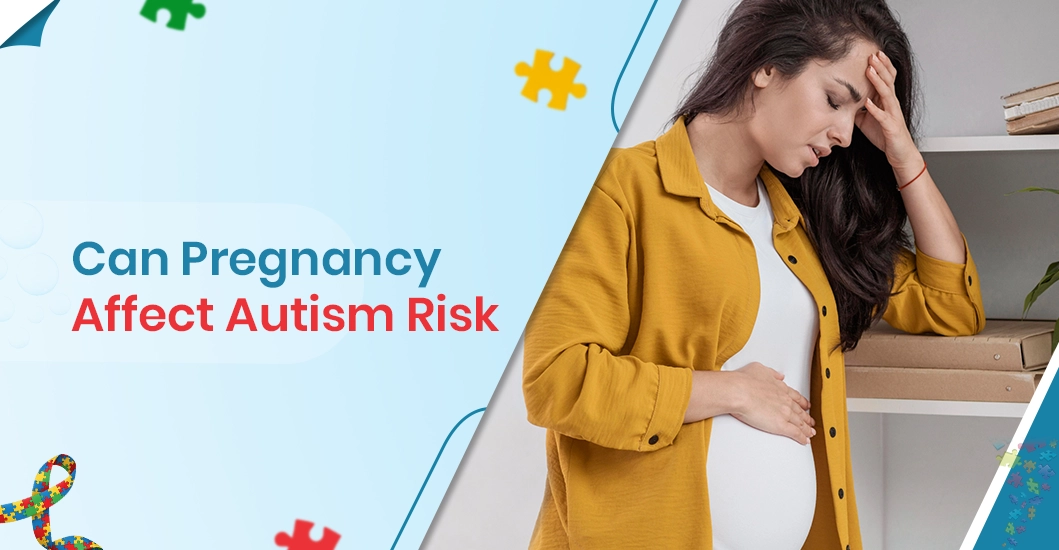
What If Something During Pregnancy Shapes Your Baby’s Future?
Every expecting mother has that one quiet thought.
“What if something I do now affects my baby later?”
This feeling is not about fear, but about responsibility. When thinking about conditions like autism, this concern often becomes even more important.
As more people learn about autism, more women want to know how pregnancy might affect their child’s development. The truth is that pregnancy does not cause autism, but some factors during this time can influence how a baby’s brain develops.
Knowing this difference can help turn worry into understanding.
How Your Baby’s Brain Develops Inside the Womb
From the early weeks of pregnancy, your baby’s brain begins forming at an incredible pace. Millions of neural connections are built every minute, creating the foundation for learning, behaviour, and communication.
This process is very sensitive. It responds to factors such as nutrition, hormones, oxygen, and the mother’s overall health. Even small changes can affect how these connections form. Still, the brain is strong and can adapt, which is why most pregnancies, even with some challenges, lead to healthy development.
The goal is not perfection, but stability.
Pregnancy-Related Factors That May Influence Autism Risk
Research shows that certain conditions during pregnancy may increase the likelihood of developmental differences. These are not direct causes, but they can play a part.
Some of the most studied factors include:
- Maternal infections that trigger immune responses.
- Gestational diabetes affects metabolic balance.
- Nutritional deficiencies, especially prevalent in early pregnancy.
- Exposure to environmental pollutants or chemicals.
- Chronic or unmanaged stress.
These factors can affect fetal brain development, particularly in areas related to communication and sensory processing.
But here is the important perspective: even when these factors are present, most children develop typically. Risk does not equal outcome.
Why Maternal Health Plays a Central Role
A healthy pregnancy is not only about avoiding sickness. It’s about keeping your body stable so your baby can grow safely.
Physical and emotional health both matter.
When a mother maintains good nutrition, stable blood sugar, proper sleep, and emotional balance, all of these directly support the baby’s brain development.
On the other hand, unmanaged health problems can cause changes in the body that may affect the baby’s development.
This is why prenatal care is not optional. It is foundational.
The Genetic Connection You Should Be Aware Of
While pregnancy conditions are important, genetics remains one of the strongest influences on autism.
If there is a family history of autism or similar conditions, the chances may be a little higher. Genes play a role in shaping how the body responds to the environment.
You can think of it as a mix: genetics set the stage, and events during pregnancy help shape what happens next.
This is also why two pregnancies that seem the same can have very different results.
Stress During Pregnancy: How Much Is Too Much?
Stress is a part of life, especially during pregnancy. Emotional changes, physical discomfort, and lifestyle adjustments all contribute to it.
But there is a big difference between short-term stress and long-lasting, intense stress. Ongoing stress can raise cortisol levels, which, over time, may affect the baby’s brain development. It can also change how the baby’s nervous system reacts after birth.
That said, occasional stress, mood swings, or emotional days are completely normal and not harmful.
What really matters is managing stress regularly.
Simple ways to stay balanced include:
- Practising deep breathing or mindfulness.
- Staying connected with supportive people.
- Limiting exposure to negative or overwhelming information.
Staying calm during pregnancy is not just a luxury; it is necessary.
The Impact of Nutrition on Early Brain Development
What you eat during pregnancy becomes the building material for your baby’s growth.
Certain nutrients are especially important for brain development:
- Folic acid supports early neural formation.
- Omega-3 fatty acids help in brain cell structure.
- Iron ensures proper oxygen supply to the brain.
- Vitamin D supports neurological function.
Not getting enough of these nutrients at key times can affect your baby’s development.
You do not need a complicated diet.
What matters most is being consistent. Eating balanced meals, taking the right supplements, and following your doctor’s advice are enough to support healthy growth.
Environmental Exposure: What Should You Be Careful About?
Today’s world exposes us to many hidden things that can affect our health.
During pregnancy, it is wise to be cautious about:
- Air pollution and poor indoor air quality
- Pesticides and chemical exposure
- Heavy metals like lead or mercury
- Unprescribed medications
You do not need to make big changes to reduce exposure. Small, thoughtful choices like eating clean food, avoiding extra chemicals, and listening to your doctor can really help.
Is Autism Increasing or Is Awareness Improving?
Over the past decade, the number of autism diagnoses has increased significantly. This often raises concern among expectant parents.
However, experts clarify that this rise is not necessarily due to more children developing autism, but rather due to:
- Better diagnostic tools
- Increased awareness among parents and doctors
- A broader definition of the autism spectrum
- Early screening and earlier detection of autism mean more children get the help they need, leading to better outcomes over time. For expecting mothers, this is important to know because it shows that modern pregnancies are not necessarily riskier.
How the Placenta Influences Baby’s Brain Development
The placenta does much more than just support the baby. It acts as a lifeline between mother and baby, making sure oxygen, nutrients, and hormones are balanced.
When placental function is optimal:
- Nutrients are delivered efficiently.
- Hormonal balance is maintained.
- Waste is removed effectively.
But if problems like reduced blood flow or inflammation happen, they can have a big impact on the baby’s development.
That’s why doctors keep a close eye on placental health with regular scans and checkups. A healthy placenta helps support steady brain development.
Early Signals in Pregnancy That Doctors Monitor Closely
Doctors do not wait until birth to check on development. Many signs during pregnancy help them see how the baby is growing.
Some key parameters include:
- Fetal growth measurements
- Heart rate patterns
- Amniotic fluid levels
- Placental positioning and function
- Maternal blood markers
These signs do not diagnose autism, but they can help spot developmental concerns early. Regular checkups ensure any needed help arrives in time.
The Gut-Brain Connection During Pregnancy
A new area of research looks at the gut microbiome. The bacteria in a mother’s digestive system may affect inflammation and the immune system throughout her body.
In this area, a balanced gut environment supports:
- Better nutrient absorption.
- Stable immune function.
- Reduced inflammation.
Foods that support gut health include:
- Yoghurt.
- Fibre from fruits and vegetables.
- Whole grains.
Even though research is still ongoing, keeping your gut healthy is now considered an important part of prenatal care.
Sleep and Hormonal Balance: An Overlooked Factor
Sleep is often overlooked during pregnancy, but it is very important for maintaining hormonal balance.
Poor sleep patterns can lead to:
- Increased stress hormone levels
- Reduced immune efficiency
- Fluctuations in blood sugar
Getting regular, good-quality sleep helps keep your body balanced and supports your baby’s healthy development.
Simple, practical improvements include:
- Maintaining a fixed sleep schedule
- Reducing screen time before bed
- Creating a calm sleep environment
How Doctors Assess Risk Without Causing Panic
Doctors discuss autism risk with care and responsibility, focusing on practical ways to manage it rather than causing unnecessary worry.
Their approach includes:
- Identifying modifiable risk factors
- Monitoring maternal health conditions
- Providing nutrition guidance
- Encouraging regular follow-ups
This approach helps mothers stay informed without extra stress.
What to Focus On Instead of Overthinking Risks
It is easy to start overthinking every decision during pregnancy.
But the best approach is actually quite simple.
Focus on what you can control:
- Attend consistent and regular prenatal checkups.
- Follow your doctor’s recommendations.
- Maintain a balanced diet.
- Stay physically active within safe limits.
- Manage stress consistently.
- Avoid harmful substances.
These habits help create a stable environment for your baby’s development.
Pregnancy is not about avoiding every risk. It is about building strong, steady daily habits.
Warning Signs That Require Immediate Attention
Certain conditions during pregnancy should never be taken lightly or ignored.
Seek medical help if you experience:
- High fever or persistent infections.
- Uncontrolled blood sugar or blood pressure.
- Severe anxiety or depression.
- Exposure to harmful chemicals or toxins
Getting medical help early can prevent problems and help keep both mother and baby safe.
Why Awareness Is More Powerful Than Fear
One of the biggest challenges today is misinformation.
With so much information online, it is easy to worry that even small mistakes could have serious consequences, but that is not true.
Autism is a complex neurodevelopmental condition. A single factor, event, or decision does not cause it.
Knowing this can help take away unnecessary guilt and pressure.
Being aware gives you power, while fear only holds you back.
A Simple Daily Checklist for a Healthy Pregnancy
To keep things simple, here is an easy approach you can follow:
- Eat balanced and nutrient-rich meals.
- Take prescribed supplements regularly.
- Stay hydrated.
- Get enough rest and sleep.
- Manage any ongoing health issues or medical conditions.
- Keep stress consistently under control.
- Attend all prenatal appointments.
Sticking to these habits regularly will always help more than trying to be perfect only sometimes.
Take Action Early for Better Outcomes
If you have concerns, talking to qualified healthcare professionals can help you manage risks. Whether it is about nutrition, stress, or a medical issue, getting help early often leads to better results.
The sooner you act, the more confident and prepared you will feel.
Final Perspective Every Mother Should Remember
You are not expected to control every outcome, and no one can.
You are expected to care, stay informed, and make conscious choices.
Pregnancy is not about being perfect. It is about being present, aware, steady, and supported.
And that really is more than enough to give your baby the best possible start.
Frequently Asked Questions
Can pregnancy cause autism in a baby?
No, Pregnancy does not directly cause autism. ASDr is shaped by a combination of genetics and environmental factors, not a single event.
What pregnancy factors can increase autism risk?
Mostly maternal infections, gestational diabetes, nutritional deficiencies, and chronic stress may influence fetal brain development.
Does stress during pregnancy increase autism risk?
Prolonged, intense stress can raise cortisol levels and affect the baby’s brain development. Occasional stress is or emotional days are completely normal.
What nutrients are important during pregnancy for brain development?
Folic acid, omega-3 fatty acids, iron, and Vitamin D are critical for healthy fetal brain development.
Does family history of autism increase pregnancy risk?
Yes. Genetics is one of the strongest influences on Autism Spectrum Disorder. If a family history exists, the likelihood may be slightly higher.
Is autism more common now because pregnancies are riskier?
No. Autism isn’t increasing because of pregnancy risks. We’re diagnosing it more due to better awareness and better testing.
What should a pregnant woman avoid to reduce autism risk?
Avoid prolonged exposure to air pollution, pesticides, heavy metals, and OTC medications. gestational diabetes should be addressed promptly.
How does gut health affect pregnancy and brain development?
A balanced gut environment supports better nutrient absorption. yoghurt, fibre-rich foods, and whole grains supports gut health naturally.
How does gut health affect pregnancy and brain development?
A balanced gut environment supports better nutrient absorption. Yoghurt, fibre-rich foods, and whole grains support gut health naturally.
When should a pregnant woman consult an autism specialist?
If there is a family history of Autism Spectrum Disorder or a previous child with ASD, consulting an autism specialist in Hyderabad is a proactive step.