
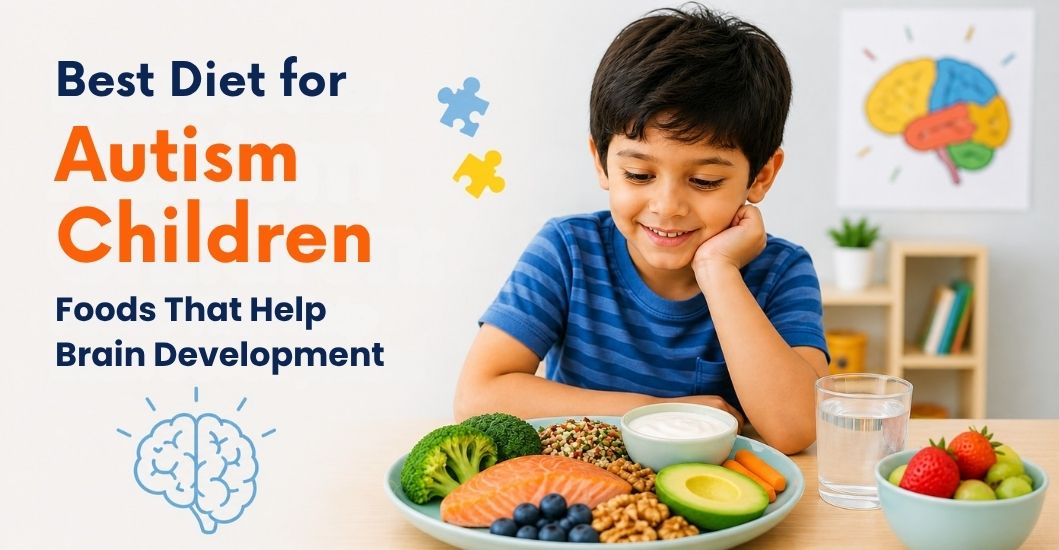
Raising a child with autism comes with unique challenges, and nutrition is an important part that is often missed. Food does more than just fill a child up. It affects brain chemistry, behaviour, gut health, and emotions. Many parents notice that even small changes in diet can improve focus, sleep, and daily well-being.
This guide explains how to create a healthy diet for children with autism, highlights foods that help brain development, points out what to avoid, and offers tips for building a meal routine that works for real families.
Understanding the Link Between Diet and Autism
The link between diet and autism is stronger than many people think and is based in biology. Many children with autism have digestive issues like constipation, diarrhoea, bloating, and food sensitivities. These problems are connected to brain function through what researchers call the gut-brain connection.
If the gut is inflamed or unbalanced, it can affect neurotransmitters such as serotonin and dopamine, which are important for mood, focus, and behaviour. Poor digestion can also stop the body from absorbing the nutrients needed for healthy brain development.
Some children with autism have trouble digesting certain proteins or sugars. This can cause discomfort, irritability, or more hyperactivity.
Key takeaways:
- A healthy digestive system supports better brain performance.
- Nutrient absorption plays a critical role in development.
- Food sensitivities can influence behaviour and mood.
When parents understand this connection, they are better equipped to make thoughtful decisions rather than simply guessing their way through it.
Autism Diet Plan for Brain Development
Creating a good diet plan is more about adding healthy foods than removing unhealthy ones. A balanced diet should support both physical health and brain development.
A balanced autism-friendly diet includes:
- Healthy fats to support brain cell growth and communication
- High-quality proteins to aid neurotransmitter production
- Complex carbohydrates for sustained energy
- Fibre-rich foods for gut health
- Vitamins and minerals for overall brain function
Instead of focusing on what to remove, parents should focus on adding healthy foods and keeping meals consistent. Whole foods should be the main part of the diet.
Practical approach:
- Replace processed snacks with natural alternatives.
- Use traditional cooking methods like steaming and boiling.
- Introduce variety slowly to avoid resistance.
A regular meal plan helps children feel secure. When meals are predictable, it can reduce anxiety and make kids more willing to try new foods.
Top Brain-Boosting Foods for Children with Autism
Some foods are rich in nutrients that support brain growth, memory, and emotions. Including these foods often can lead to real improvements over time.
1. Fatty Fish (Omega-3 Rich)
Fatty fish like salmon and sardines are among the richest sources of omega-3 fatty acids, which are essential for brain development. These healthy fats help neurons communicate more effectively and support a child’s ability to learn.
2. Eggs (Choline Source)
Eggs are a great source of choline, a nutrient that helps form cell membranes and plays an important role in memory. They are also budget-friendly and easy to prepare in many different ways.
3. Nuts and Seeds
Walnuts, almonds, flaxseeds, and chia seeds provide healthy fats, antioxidants, and protein. These nutrients help protect brain cells and support better focus.
4. Leafy Green Vegetables
Spinach, broccoli, and kale are high in iron and folate. These nutrients help deliver oxygen to the brain and maintain steady energy throughout the day.
5. Berries
Berries are full of antioxidants that protect brain cells and naturally boost thinking and memory.
Additional tips:
- Rotate these foods to avoid monotony.
- Combine them with familiar meals for better acceptance.
- Use creative presentations to make meals appealing.
Best Foods for Autism and Gut Health
Gut health is closely linked to autism symptoms. When digestion works well, the body absorbs nutrients more effectively, inflammation stays low, and behaviour often improves.
Foods that support gut health:
- Probiotic foods: Help introduce beneficial bacteria into the gut
- Prebiotic foods: Feed good bacteria and improve digestion
- Fibre-rich foods: Support bowel regularity and detoxification
Examples include:
- Yoghurt (if tolerated), fermented foods
- Bananas, apples, garlic
- Oats, vegetables, whole grains
Improving gut health may lead to:
- Better sleep patterns
- Reduced irritability
- Improved focus and communication
Consistency is important. Gut health takes time to improve, but the long-term benefits are worth the wait.
Gluten-Free and Casein-Free Diet for Autism
As part of autism treatment, many parents try the gluten-free and casein-free (GFCF) diet by removing gluten found in wheat and casein found in dairy products.
Why is this diet considered?
Certain children have a harder time digesting these proteins, and when that happens, it can trigger inflammation or lead to noticeable changes in behaviour.
Potential benefits:
- Reduced digestive discomfort
- Improved attention span
- Decrease in hyperactivity
Challenges:
- Risk of nutritional deficiencies if not planned properly
- Requires careful label reading and meal preparation
This diet does not work the same way for every child. Parents should watch for changes and talk to a healthcare professional before making it a long-term plan.
Essential Nutrients That Support Brain Development
Children with autism are often low in some nutrients that are important for the brain and nervous system. Fixing these gaps can make a big difference in development.
Important nutrients and their roles:
- Omega-3 fatty acids: Improve memory and cognitive function
- Vitamin D: Supports mood stability and immune health
- Magnesium: Helps calm the nervous system
- Zinc: Aids in brain signalling and immune function
- Iron: Prevents fatigue and supports oxygen delivery
A balanced diet usually provides these nutrients. Sometimes supplements are needed, but they should only be given under a medical professional’s advice.
Foods to Avoid for Children with Autism
Some foods can harm a child’s behaviour, digestion, and health. Knowing which foods cause problems and slowly reducing them can really help.
Foods to limit or avoid:
- Highly processed foods
- Artificial additives and food colouring
- Excess sugar and sweets
- Fried and junk foods
- Carbonated beverages
These foods may cause:
- Sudden energy spikes and crashes
- Increased hyperactivity
- Poor focus and irritability
Replacing these foods with healthier choices over time usually works better than removing them all at once.
Sample Daily Autism Diet Plan for Autism Kids
A regular meal plan helps parents stay consistent and ensures the child gets balanced nutrition throughout the day.
Morning
- Warm water
- Soaked almonds or walnuts
- Vegetable omelette or millet porridge
Mid-Morning Snack
- Fresh fruits like a banana or an apple
Lunch
- Brown rice or millet
- Dal or lean protein
- Cooked vegetables
Evening Snack
- Roasted seeds or nuts
- Fresh juice (no added sugar)
Dinner
- Vegetable soup
- Chapati or rice with light curry
Before Bed
- Warm milk (or dairy-free alternative)
You can adjust this plan to fit your child’s preferences and dietary needs.
Foods That Help vs Foods to Avoid
| Category | Foods That Help Brain Development | Foods to Avoid |
| Proteins | Eggs, fish, lentils | Processed meats |
| Fats | Nuts, seeds, healthy oils | Trans fats, fried foods |
| Carbohydrates | Whole grains, fruits | Refined sugar, white bread |
| Dairy | Yoghurt (if tolerated) | Artificial flavored dairy |
| Snacks | Fruits, nuts | Packaged junk food |
| Beverages | Water, fresh juices | Soft drinks, energy drinks |
This table gives parents an easy way to make better daily food choices.
Tips to Introduce New Foods to Children with Autism
Many children with autism have strong sensory sensitivities, so trying new foods can feel overwhelming. Being patient and introducing foods step by step really helps.y.
Effective strategies:
- Introduce one new food at a time.
- Keep portion sizes small initially.
- Pair new foods with familiar favourites.
- Maintain a consistent eating schedule.
- Use positive reinforcement
Do not push or pressure your child to eat foods they are not ready for, as this can cause long-lasting food aversions.
Role of Hydration in Brain Function
Hydration is often overlooked, but it really affects thinking and mood. Even mild dehydration can lower a child’s focus, mood, and energy during the day.
Encourage:
- Regular water intake
- Coconut water for natural electrolytes
- Fresh homemade juices
Sugary drinks and drinks with artificial ingredients should be limited because they can affect a child’s energy and behaviour.
Can Supplements Help Autism Children?
Whole foods should be the main source of nutrition, but supplements can help if a child is truly lacking a nutrient.
Common supplements include:
- Omega-3 fatty acids
- Vitamin D
- Probiotics
- Multivitamins
However, only give supplements with advice from a doctor or nutritionist. They can help decide what is needed and in what amount to keep your child safe.
Common Mistakes Parents Should Avoid
Parents who want to help their child through diet can sometimes make mistakes without knowing it.
Common pitfalls:
- Over-restricting foods without proper planning
- Ignoring nutritional balance
- Expecting instant results
- Following unverified trends
Changing a child’s diet takes patience and time. Watching progress slowly works better than expecting quick results.
Long-Term Benefits of a Healthy Autism Diet
A well-planned and consistent diet can lead to lasting improvements in a child’s development and quality of life.
Benefits include:
- Improved concentration and learning ability
- Better digestion and reduced gut issues
- Stable mood and reduced behavioural challenges
- Enhanced sleep quality
- Increased overall energy levels
Over time, these changes can help with school, social skills, and daily life.
Final Thoughts
Managing autism with diet is not about being perfect right away. It means being consistent, watching how your child responds, and adjusting as you learn. Every child is different, so the best approach is the one that fits your child’s needs and preferences.
By focusing on healthy foods, caring for gut health, and reducing harmful foods, parents can help their child grow physically and mentally.
A good, steady diet does more than feed the body. It supports the brain, improves behaviour, and helps give the child and family a better quality of life.
If you are unsure where to start, our experts are here to help. Book a Consultation today and get a personalized diet plan designed especially for your child’s needs.
More Infor Click Here:https://maps.app.goo.gl/nCdG69eHuCLcsqJB6
F.A.Q.
The best diet for a child with autism is a whole-food, nutrient-dense diet that supports gut health and brain development. Focus on including omega-3-rich foods like fatty fish, eggs, nuts, seeds, leafy greens, and berries. Avoid processed foods, artificial additives, and excess sugar. A consistent meal routine also helps reduce anxiety and improve behaviour.
Foods that help brain development in autistic children include:
- Fatty fish (salmon, sardines) — rich in omega-3 fatty acids
- Eggs — a great source of choline for memory
- Walnuts and flaxseeds — support focus and brain cell protection
- Leafy greens (spinach, broccoli) — provide iron and folate for oxygen delivery to the brain
Berries — packed with antioxidants that protect brain cells
A gluten-free and casein-free (GFCF) diet may help some children with autism, particularly those who have difficulty digesting wheat and dairy proteins. Some parents report reduced hyperactivity, better attention, and improved digestion. However, this diet does not work the same for every child and can lead to nutritional gaps if not properly planned. Always consult a healthcare professional before starting a GFCF diet.
The gut and brain are directly connected through the gut-brain axis. Many autistic children experience digestive issues like bloating, constipation, or food sensitivities. When the gut is inflamed or imbalanced, it can disrupt neurotransmitters like serotonin and dopamine, affecting mood, focus, and behaviour. Improving gut health through probiotic foods, fibre-rich foods, and a balanced diet can lead to better sleep, reduced irritability, and improved communication.
Foods to avoid or limit for autistic children include:
- Highly processed and packaged foods
- Artificial food colouring and additives
- Excess sugar and sweets
- Fried and junk foods
- Carbonated beverages and energy drinks
These can trigger energy spikes, increase hyperactivity, and reduce focus. Replace them gradually with healthier whole-food alternatives.
Some children with autism are deficient in key nutrients like omega-3 fatty acids, Vitamin D, magnesium, zinc, and iron. These nutrients are essential for brain function, mood stability, and immune health. While a balanced diet should be the primary source, supplements may be recommended if there are confirmed deficiencies. Never give supplements without guidance from a qualified doctor or nutritionist.
Introduce one new food at a time, keep portions small, and pair it alongside familiar favourites. Maintain a consistent eating schedule and use positive reinforcement to encourage trying new foods. Avoid pressure or forcing, as this can create lasting food aversions. Patience and repetition are key — it can take 10–15 exposures before a child accepts a new food.
A sample autism-friendly daily meal plan includes:
- Morning: Soaked almonds, vegetable omelette or millet porridge
- Mid-morning: Fresh fruit like a banana or apple
- Lunch: Brown rice or millet with dal and cooked vegetables
- Evening snack: Roasted seeds or nuts with fresh juice (no added sugar)
- Dinner: Vegetable soup with chapati or rice and light curry
- Bedtime: Warm milk or a dairy-free alternative
Consistency in meal timing helps reduce anxiety and improves food acceptance.
Diet alone cannot treat autism, but it plays a significant supportive role. A well-planned autism-friendly diet can improve concentration, digestion, sleep quality, mood stability, and energy levels over time. It works best as part of a comprehensive care plan that includes therapy, medical support, and parental guidance. Every child responds differently, so a personalised approach is essential.
Results vary from child to child and depend on the specific dietary changes made. Some parents notice improvements in behaviour, sleep, and digestion within a few weeks, while more significant changes in focus or communication may take several months of consistency. Gut health in particular takes time to restore. Track changes gradually rather than expecting immediate results.