
Our Autism Treatments in India
Why Choose Dr. A. M. Reddy’s Autism Centre
- A dedicated team of psychologists, therapists, and special educators,
- Focus on the needs of the child, devising specific therapy plans.
- Interventions designed with research guarantee changes for the better.
- Inclusion of parents in the design of home-based tasks for memory
- Focus on overall cognitive development—holistic education methodology.
- Empowering children with the means to effectively recall, learn, and develop
Poor Memory in Children
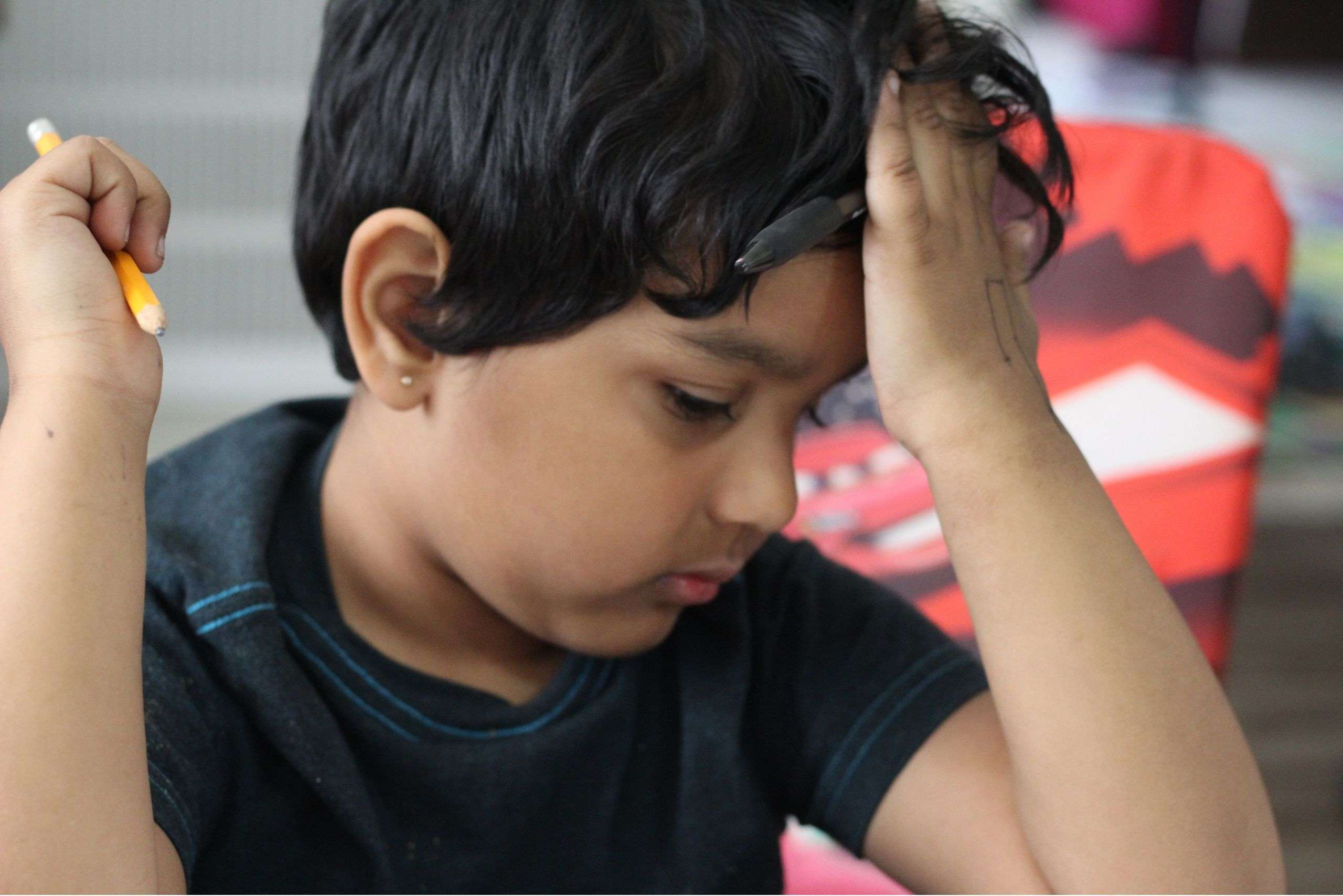
Many parents think a child forgetting lessons or daily instructions is just carelessness or laziness. However, if it occurs often, it may signal a deeper issue with the child’s processing or memory of information. Understanding the difference between normal forgetfulness and real memory problems helps parents respond in the best way.
This guide helps parents understand children’s memory challenges, identify potential causes, and find practical ways to support better learning and recall.
How Memory Works in a Child’s Brain and Why Recall Becomes Difficult
Memory consists of three steps: taking in information, retaining it, and recalling it when needed. In children, these steps are still developing, so even small problems with attention or processing can affect the whole process.
When a child is struggling with memory, the problem can show up at any one of these stages:
- Difficulty focusing during learning
- Weak retention of information
- Trouble recalling stored knowledge
In many cases, the child has not truly forgotten the information. Instead, it was never fully processed in the first place. This is an important point for parents to keep in mind.


Early Warning Signs of Weak Memory Skills in Children Parents Should Notice
Noticing these signs early can help prevent a child from facing extra academic challenges and losing confidence.
Here are some of the most common things parents notice:
- Forgetting instructions within minutes
- Difficulty recalling what was learned in class
- Repeated mistakes in homework
- Trouble remembering names, dates, or sequences
- Losing track of tasks easily
If you notice these patterns often, it is important to pay attention to them. Ignoring them or blaming the child for being distracted or lazy usually does not help and can make things harder.
Poor Memory in Children: Key Reasons Behind Learning and Recall Issues
Poor memory in children usually has no single cause. Often, several factors work together to affect how a child learns and remembers.
Major Contributing Factors
Factor | Impact on Memory |
Attention Problems | Weak focus leads to poor encoding |
Sleep Issues | Reduced brain recovery affects retention |
Nutritional Deficiencies | Impacts brain function |
Stress and Anxiety | Blocks effective recall |
Learning Disorders | Affects processing ability |
When parents know what is really causing the problem, they can address it more effectively rather than just treating the surface symptoms.
Types of Memory Problems in Children Explained With Examples
Memory problems can show up in different ways. The type of difficulty a child has usually depends on which kind of memory is affected.
Types of Memory
Type | Description | Example |
Short-Term Memory | Holds information briefly | Forgetting instructions quickly |
Long-Term Memory | Stores information over time | Difficulty recalling past lessons |
Working Memory | Processes and uses information | Trouble solving multi-step problems |
Each type of memory works in its own way, so improving it needs a specific approach. Using the same method for all types usually does not help.
Poor Memory in Children Treatment: Structured Approaches That Deliver Results
Poor memory in children treatment is not about forcing them to memorise facts. The main goal is to help the brain pay better attention, process information, and recall it when needed.
Some of the most effective strategies used in treatment include:
- Cognitive training exercises
- Structured learning techniques
- Behavioural interventions
- Consistent repetition and practice
Simply trying harder does not solve memory problems. The aim is to change how the brain manages information, making learning easier and more natural.
Poor Memory in Children Treatment Hyderabad: Access to Expert Care and Therapy
Families seeking professional help can find specialised centres offering Poor Memory in child treatment Hyderabad that focus on children’s cognitive and developmental growth.
These local centres typically provide:
- Personalised assessment of memory challenges
- Regular therapy sessions
- Continuous monitoring of progress
Centres like Dr. A.M Reddy Autism Centre offer structured, consistent care for children dealing with memory and learning difficulties, with a focus on long-term improvement rather than quick fixes.
Best Autism Clinic in India for Cognitive and Learning Support
If a child’s memory issues are linked to developmental or neurological conditions, choosing the best autism clinic in India can make a real difference in their long-term progress.
A good specialised clinic will offer:
- Comprehensive cognitive assessments
- Individualised therapy plans
- Multidisciplinary support
- Long-term progress tracking
This comprehensive support ensures that no part of the child’s development is overlooked.
Autism Clinic in Hyderabad for Consistent Therapy and Monitoring
Picking an autism clinic in Hyderabad that is nearby helps families keep up with therapy. Staying consistent is one of the most important factors for real improvement.
Some of the key benefits of a local clinic include:
- Easy access to sessions
- Better follow-up care
- Increased parent involvement
When therapy is regular, and there are no long breaks, children usually show steady, clear improvement over time.
Daily Brain Exercises That Improve Memory and Focus in Children
You do not need costly tools or complicated programs to help a child’s memory. Simple daily activities can make a real difference in how well a child remembers and recalls information.
Some exercises that actually work include:
- Memory games and puzzles
- Story recall practice
- Repetition-based learning
- Visual association techniques
Over time, these activities help the brain store information more effectively and recall it when needed.
Nutrition and Lifestyle Habits That Support Brain Development
A child’s diet, sleep, and activity level all directly affect how well their memory works. Brain health and overall health are closely connected.
Some of the most important lifestyle factors to pay attention to include:
- A balanced diet rich in vitamins and proteins.
- Adequate sleep for brain recovery.
- Physical activity for better blood flow.
- Limited screen time
When these habits are followed, the brain works better, and children learn and remember more easily at school and at home.
Role of Parents in Strengthening Memory Skills at Home
Parents often have more influence on their child’s memory development than they think. The home environment, daily routines, and how parents support learning all play a big role.
There are several practical ways parents can support memory improvement at home:
- Creating structured routines
- Encouraging active learning
- Reinforcing lessons through repetition
- Providing a distraction-free environment
When parents are involved at home, the progress made in therapy sessions is more likely to last and to appear sooner in daily life.
Common Myths About Memory Problems in Children
- Children are lazy
- Memorisation is the only solution
- Memory cannot improve
- Only weak students have memory issues
- Memory issues are neurological
- Processing needs improvement
- It can be trained and strengthened
- It affects all intelligence levels
When parents let go of these common misconceptions, they can approach the situation with a clearer head and start helping their child in ways that work.
Why Memory Issues Should Not Be Ignored
If memory problems are not addressed, they usually get worse over time. A child who keeps struggling without help can fall behind in school and lose confidence.
Getting help early can make a significant difference in several areas:
- Improving learning ability
- Building confidence
- Reducing frustration
- Enhancing long-term success
The sooner a family acts, the better the chance of solving problems before they become harder to change.
Poor Memory in Children Treatment at Dr. A.M. Reddy Autism Centre: Personalised Care That Delivers Results
Children with autism often face additional memory challenges that require a specialised approach. Families seeking Poor Memory in Autism Treatment Hyderabad will find that Dr. A.M Reddy Autism Centre takes each case seriously, with care based on the real cause of the problem, not just the symptoms.
Every child receives a detailed evaluation of their attention, information processing, behaviour, and development. Based on this, a treatment plan is created just for them, which may include:
- Tailored homeopathic support to improve cognitive function and focus
- Cognitive training techniques to strengthen memory retention
- Behavioural guidance to improve concentration and learning habits
- Parent training to reinforce memory-building strategies at home
The centre’s goal is not just short-term improvement that disappears after therapy. The focus is on lasting change by helping the brain process and recall information naturally, without forced memorisation.
For parents looking for a structured, results-focused approach, this method offers a clear plan, steady support, and visible progress.
Take Action Early: Book a Consultation for Better Memory and Learning Outcomes
Ongoing memory problems usually do not resolve on their own. They often become more obvious as schoolwork gets harder. The sooner a child receives structured support, the better their brain responds to learning and therapy, leading to lasting change.
At Dr A.M Reddy Autism Centre, families can choose between in-person and online consultations, making it easy to get expert help without delay.
If you have noticed that your child is:
- Forgetting lessons frequently
- Struggling to retain information
- Showing low focus or attention
- Falling behind academically
This is the right time to seek professional help. These issues usually do not improve on their own.
Taking action early gives a child a real chance to improve memory, regain confidence, and catch up in learning. Waiting too long can make the problems bigger and more frustrating.
Final Insight
Poor memory does not limit what a child can achieve. It simply means the current way of learning is not working, and the child needs a different approach that fits their needs.
With the right support, steady guidance, and early action, children can improve their memory, focus better, and do well in school. Progress may begin slowly, but with a strong foundation, it grows over time.
Even a small step today can truly change your child’s future.
With timely action, memory skills can be strengthened at Dr. A. M. Reddy’s Autism Centre.
F.A.Q.
Parental guidance in autism refers to the active role parents play in supporting their child’s therapy through consistent daily home practices.
Because parents are present throughout the day, they are in the best position to reinforce what is learned in therapy, which directly leads to better outcomes.
Yes. While autism does not disappear, consistent and informed support from parents can lead to meaningful improvements in behaviour, communication, and daily functioning.
A structured and predictable daily routine works best. It gives children a sense of security and helps them navigate their day with less anxiety.
Start with simple, clear language and support it with visual aids, such as pictures or gestures. Repetition and patience are key.
No. Therapy provides the foundation, but without consistent home support, the progress made in sessions is unlikely to carry over into everyday life.
Try to stay calm, identify what triggered the behaviour, and use positive reinforcement to encourage better responses. Reacting with patience goes a long way.
Yes. With the right support, therapy, and a consistent home environment, many children with autism show remarkable progress over time.