
Our Autism Treatments in India
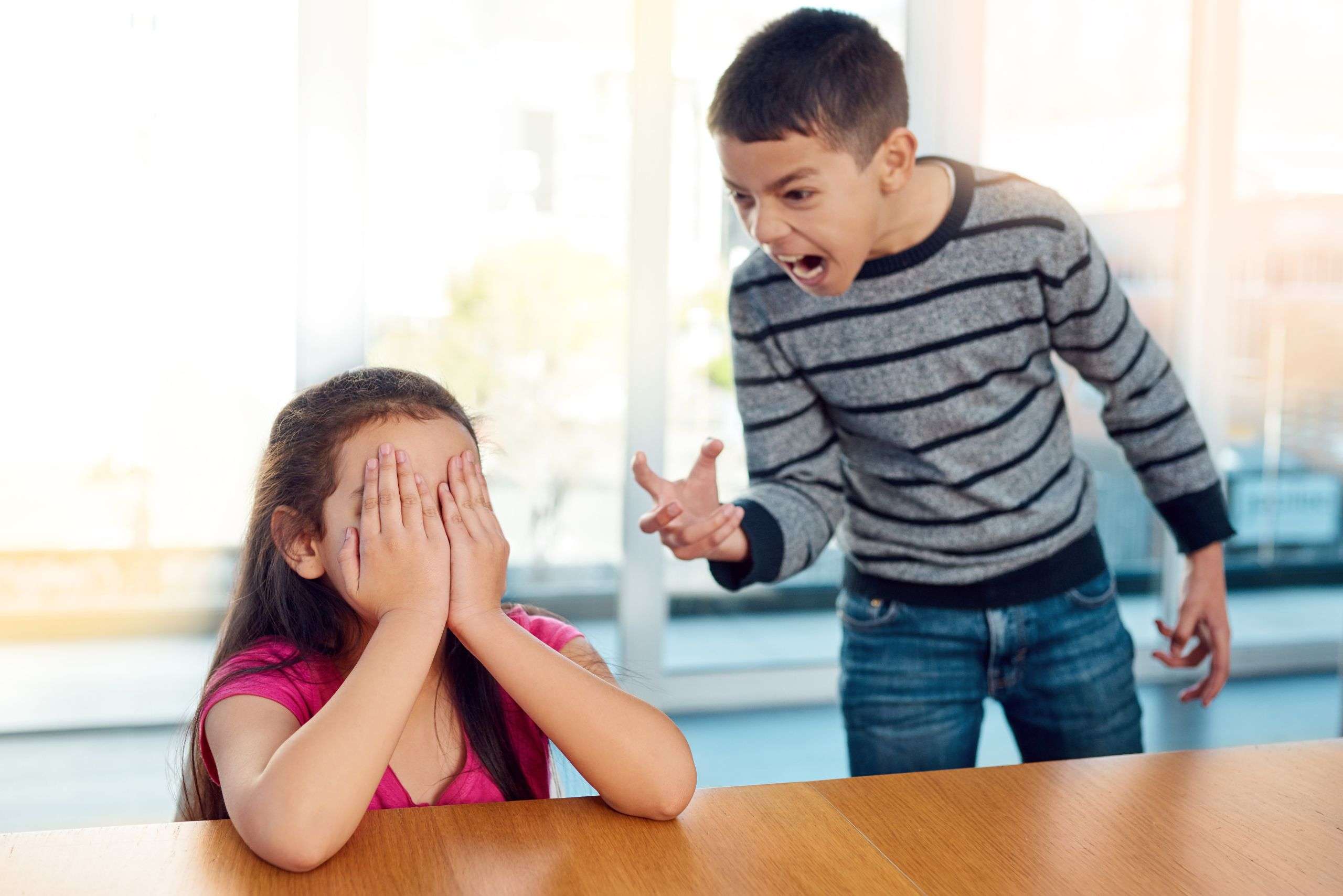
Why Parents Trust Dr. A. M. Reddy’s Autism Centre
- Focus on child and neurodevelopmental issues and behavioural healthcare.
- Dr. A. M. Reddy’s Autism Centre has over 15 years of experience in practice and has treated and helped more than 20,000 children
- Safe, non-addictive treatments with no negative side effects
- Prioritizes long-term results over short-term solutions
- Each child receives a one-of-a-kind care plan designed for them.
- Helping Your Child Build a Brighter Future
Behaviour Problems in Children
Children show how they feel and what they think through their actions. If their behaviour problems in children become disruptive, repetitive, or hard to handle, it often means they have an unmet need, not just that they are being disobedient. Many parents struggle to know when a behaviour is just a normal phase or when it needs more attention.
This page provides parents with practical information about children’s behaviour challenges. You will learn how to spot the causes, notice early warning signs, and find solutions that really help.
Understanding Behaviour Problems in Children
Behaviour problems in children are patterns of actions that make daily life, learning, or getting along with others more difficult. These can look like aggression, defiance, frequent tantrums, or pulling away from people.
These behaviours usually have a cause. They are often linked to:
- Difficulty expressing emotions
- Lack of structured routines
- Developmental or neurological differences
- Environmental stress factors
Finding the real reason behind the behaviour is important. For many children, especially those who cannot easily talk about their feelings, their actions are how they communicate.
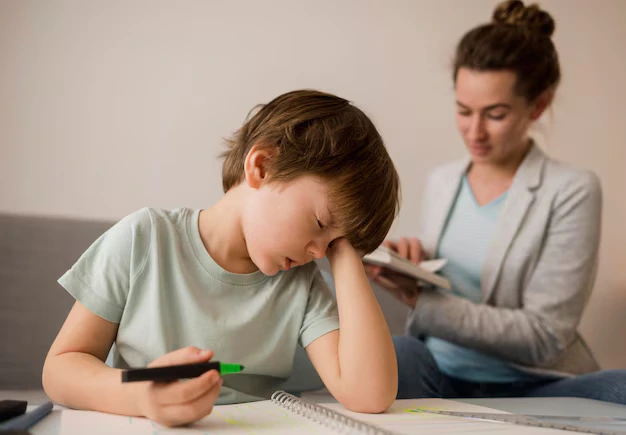

Early Warning Signs of Behavioural Issues Parents Should Notice
Noticing the signs early can prevent bigger problems later. Most behaviour issues start as small patterns that are easy to miss but can become more common and harder to handle over time.
Key warning signs include:
- Frequent temper tantrums beyond the expected age.
- Difficulty following basic instructions.
- Aggressive behaviour toward others.
- Withdrawal from social interaction.
- Constant restlessness or impulsivity.
If you keep seeing these signs, it is better to seek structured support instead of waiting for things to improve on their own.
Types of Behavioural Problems in Children Explained Clearly
Behaviour challenges can look different for each child, depending on their personality and stage of development. Understanding what kind of behavioural disorder in children you are seeing helps you choose the best way to respond.
Common Types
Aggressive Behaviour | Physical or verbal aggression | Hitting, shouting |
Oppositional Behaviour | Resistance to authority | Refusing instructions |
Attention Difficulties | Trouble focusing | Easily distracted |
Emotional Outbursts | Difficulty managing emotions | Frequent crying or anger |
Each type of behaviour needs a different approach, so it is important to see your child as an individual.
Behaviour Problems in Children Treatment: Structured and Effective Approaches
To treat behaviour problems in children, start by identifying triggers, helping them respond differently, and supporting them in building good habits over time. Families looking for behaviour problems in children treatment Hyderabad will find that the most effective approaches combine professional therapy with consistent support at home.
Effective treatment strategies include:
- Behavioural therapy to improve responses
- Parent training for consistent discipline
- Structured routines for stability
- Positive reinforcement techniques
The aim is to guide, not punish. Children do much better when they are treated consistently, patiently, and with real understanding.
Common Causes Behind Behavioural Issues in Children
Behaviour challenges in children usually have more than one cause. Often, several things combine to affect how a child behaves.
Some common causes include:
- Emotional stress or changes in the environment
- Lack of attention or communication gaps
- Developmental conditions such as ADHD or autism
- Inconsistent parenting approaches
When parents know the reasons behind the behaviour, they can address the real problem rather than just reacting to what they see.
How Parenting Style Influences Child Behaviour
How parents raise their children has a big effect on their behaviour. The home environment strongly influences kids.
Positive parenting includes:
- Clear and consistent rules
- Encouragement and positive reinforcement
- Open communication
- Emotional support
Parenting that is either too strict or too inconsistent can make behaviour problems worse. A calm, balanced, and structured approach usually works better over time.
Best Autism Clinic in India: Why Professional Support Matters
If behaviour challenges continue even after you try your best at home, it is time to seek professional help. Families dealing with Childhood Behavioral Disorders in Hyderabad will find that choosing the right clinic ensures their child receives expert care from professionals who understand these conditions well.
A good clinic provides:
- Comprehensive behavioural assessment
- Personalised therapy plans
- Multidisciplinary support
- Continuous progress monitoring
Centres such as Dr. A.M Reddy Autism Centre focus on identifying the underlying reasons behind behaviour and providing targeted, meaningful help for each child.
Best Autism Centre: What to Look for in Quality Care
Choosing the Best Autism Centre is a key decision for your child’s long-term progress. The right centre offers much more than just basic therapy. Parents seeking child behavioral treatment Hyderabad should look for a centre that provides well-rounded, personalised support rather than a one-size-fits-all approach.
Key qualities include:
- Experienced professionals
- Individualised approach for each child
- Integration of multiple therapies
- Parent involvement in treatment
With the right centre, your child gets steady, well-rounded support that adapts as they grow.
Daily Routine Strategies That Improve Child Behaviour
When children follow structured routines, they feel safer and more settled. This predictability helps reduce behaviour problems.
Effective strategies include:
- Fixed schedules for daily activities
- Clear expectations and boundaries
- Visual charts for tasks
- Consistent sleep and meal timings
These routines create predictability and give children the stability they need to manage their behaviour better.
Behaviour Management Techniques That Work at Home
Parents can use several simple techniques at home to manage behaviour more effectively.
Practical methods include:
- Rewarding positive behaviour
- Ignoring minor negative actions
- Setting clear consequences
- Staying calm during outbursts
Most importantly, consistency is what makes behaviour management work. Children need to know the same rules apply every day.
Emotional Development and Its Impact on Behaviour
Children who have trouble managing their emotions often show it through their behaviour. When parents help kids understand and name their feelings, it becomes much easier to manage their actions.
Important aspects include:
- Teaching children to identify emotions
- Encouraging expression through words
- Providing reassurance and support
A child with strong emotional skills is much more likely to show positive behaviour as they grow up.
Why You Should Not Ignore Behavioural Issues
When behaviour problems keep recurring, they usually do not go away on their own. Ignoring them can lead to long-term problems with learning, relationships, and emotional growth.
Early action helps in:
- Improving communication
- Building positive habits
- Preventing escalation of issues
- Supporting overall development
If these patterns continue, it is best to seek professional help.
Why Some Children Misbehave Only at Home but Not at School
Many parents wonder about this. Some children behave well in structured places like school, but act differently and are more challenging at home.
This difference usually comes down to a few reasons:
- A home feels emotionally safe, allowing children to express suppressed emotions.
- Schools have fixed rules and routines.
- Children may seek attention from parents.
- Fatigue after school leads to emotional outbursts.
When parents understand this pattern, it is easier to respond with empathy instead of frustration and to see what the child is really experiencing.
Screen Time and Child Behaviour: Hidden Effects Parents Overlook
As digital devices become more common, excessive screen time is increasingly linked to behavioural problems in children.
Too much screen time can lead to:
- Reduced attention span
- Increased irritability
- Sleep disturbances
- Difficulty in real-life social interaction
Balancing screen time with physical or creative activities can really help improve a child’s behaviour and focus.
How to Handle Temper Tantrums in Children Effectively
Tantrums are a common behaviour challenge for parents. How you respond in the moment is more important than many people think.
Effective strategies include:
- Staying calm and not reacting emotionally
- Identifying triggers such as hunger or fatigue
- Redirecting attention to another activity
- Teaching simple emotional expression
When parents deal with tantrums calmly and consistently, tantrums usually occur less often and become less intense over time.
Positive Reinforcement Techniques That Actually Work
Reward-based strategies have been proven to improve behaviour when used correctly.
Instead of focusing on punishment, parents get better results by using a positive approach:
- Appreciate small positive actions.
- Use reward charts for motivation.
- Give immediate feedback.
- Encourage effort rather than perfection.
This approach builds a child’s confidence and encourages them to repeat the behaviours that earn praise.
Final Insight
Behaviour challenges in children should not be ignored. They are signs that need to be understood. Every outburst, refusal, or restless moment is sending a message. Real change happens when parents look at the bigger picture instead of just reacting in the moment.
There is no quick fix for behaviour. Progress comes from consistency, patience, and the right guidance. Making small changes each day, using routines, and keeping communication open help build a strong foundation for lasting improvement.
Most importantly, acting early makes the biggest difference. The sooner you notice and address these patterns, the easier it is to help your child build good habits, emotional balance, and healthy confidence.
With the right environment, support, and patience, every child can improve, adapt, and thrive.
Start the journey to a child’s brighter future.
F.A.Q.
Behaviour problems are persistent actions like aggression, tantrums, or defiance that affect a child’s daily life.
- Frequent outbursts
- Difficulty following rules
- Poor emotional control
Behavior problems are caused by developmental, emotional, or environmental factors.
- Communication difficulties
- Parenting or environment stress
- Conditions like ADHD or autism
Early signs include noticeable changes in behavior patterns.
- Frequent tantrums
- Aggression or hitting
- Not listening or defiance
- Social difficulties
Behavior issues can be managed with consistent parenting strategies.
- Set clear rules
- Use positive reinforcement
- Maintain routines
- Stay calm and consistent
Frequent tantrums happen due to poor emotional regulation or unmet needs.
- Difficulty expressing feelings
- Frustration or attention-seeking
- Overstimulation or fatigue
Normal behavior is occasional and improves with guidance. Seek help if it is:
- Frequent and intense
- Affecting school or relationships
- Not improving over time
Behavior therapy improves emotional and social skills.
- Teaches self-control
- Reduces aggression
- Builds positive habits
- Guides parents on handling behavior
Treatment includes structured therapies and parent support.
- Behavioral treatment
- Parent training
- Counseling
- Occupational treatment (if needed)
Aggression can be managed with calm and structured responses.
- Stay calm, don’t punish harshly
- Teach alternative behaviors
- Reward positive actions
- Identify triggers
Consult a specialist when behavior affects daily life.
- Persistent aggression
- Severe tantrums
- School or social issues
- No improvement with home strategies