Our Autism Treatments in India
Why Dr. A. M. Reddy’s Autism Centre
- Over 15 years in child development and neurodevelopmental disorders
- Dedicated team of therapists, psychologists, and special educators
- Individualized therapy based on a child’s strengths and needs
- Programs designed for parents to support home and school progress
- Integrated care model aimed at fostering autonomy and holistic recovery
- Right Support, A Brighter Future
Down Syndrome Treatment
Down syndrome is a genetic condition caused by an extra copy of chromosome 21. This extra genetic material can affect physical growth, thinking skills, and overall health in different ways. Children with Down syndrome might have delays in speech, learning, and movement, and some may also have medical issues like heart defects or thyroid problems.
It’s important to remember that every child with Down syndrome is unique. With the right support, structured help, and steady care, they can live meaningful, independent, and fulfilling lives.
Being aware and accepting early on really helps shape a child’s growth. When parents understand the condition from the start, they can better provide the guidance, environment, and chances their child needs to succeed.
Early Signs and Diagnosis: Why Timing Matters
Noticing early signs is the first step toward getting timely, helpful support. Down syndrome is usually found at birth or during pregnancy through screening, but many developmental challenges show up as the child grows and hits important milestones.
Common signs include delayed speech, low muscle tone, slower movement skills, and learning challenges. Getting an early and accurate diagnosis helps families start structured intervention programmes that meaningfully improve communication, behaviour, and long-term independence.
The sooner support starts, the better the long-term results usually are. Early intervention helps the brain develop and builds key skills during the most important growth periods.

The Role of Structured Therapies in Down Syndrome Treatment
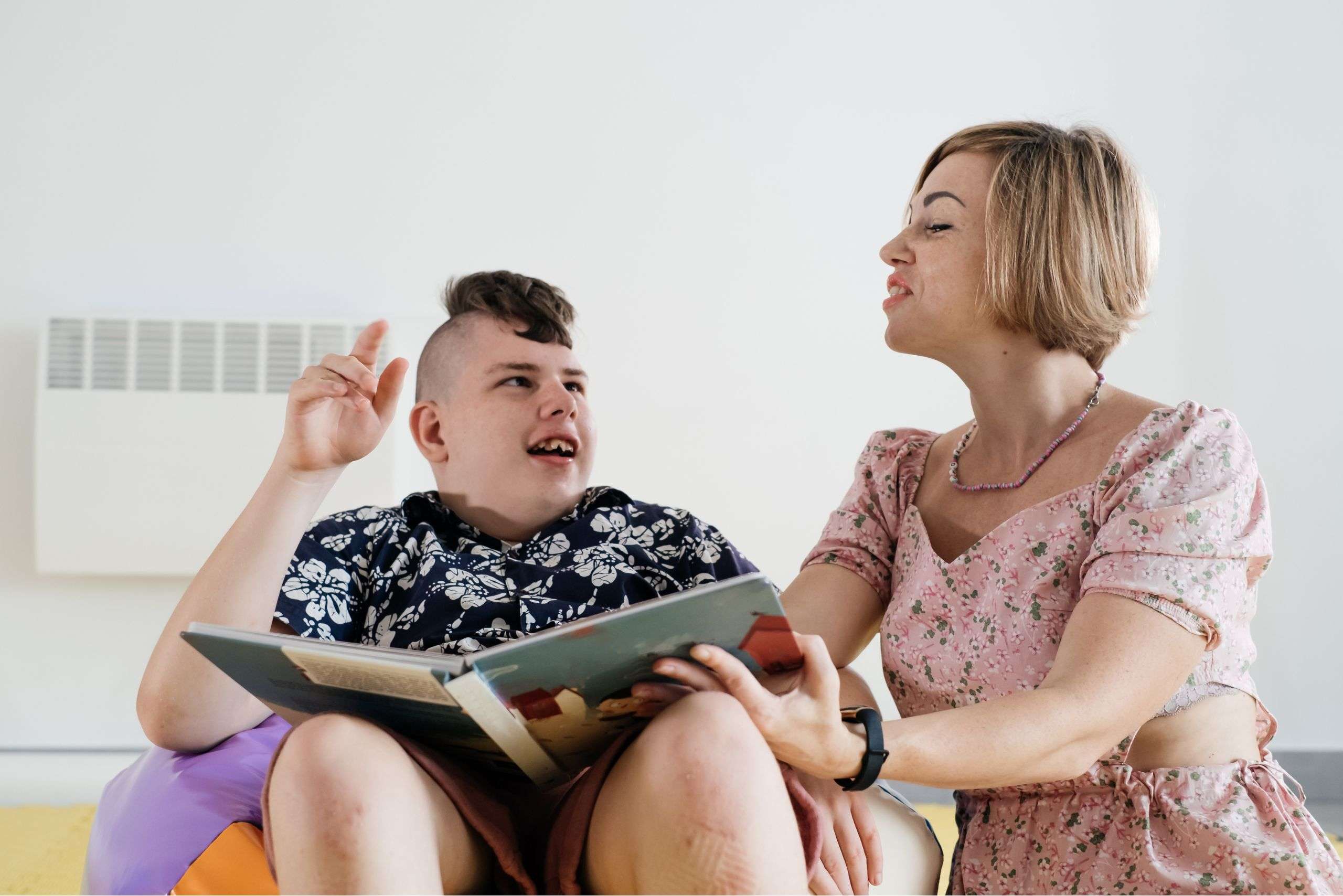
Good Down syndrome treatment in Hyderabad focuses on building developmental skills using a mix of therapies tailored to each child’s needs and abilities.
These therapies work together to enhance communication, motor coordination, cognitive ability, and social interaction. A multidisciplinary approach ensures that no developmental area is overlooked, providing the child with well-rounded support.
Core therapy approaches include:
- Speech therapy to improve language and communication
- Occupational therapy to develop daily living skills
- Physical therapy to enhance strength and coordination
- Behavioural support to improve focus and emotional control
Sticking with therapy leads to steady, noticeable progress. When support is regular and well-planned, children are more likely to reach milestones that build independence and confidence.
Accessing Expert Care Through Down Syndrome Treatment in Hyderabad
Families looking for professional guidance and structured care can explore Down syndrome treatment in Hyderabad, where specialised centres offer integrated, child-focused services.
These centres provide comprehensive services, including thorough developmental assessments, tailored therapy programmes, and continuous progress monitoring. Their key strength lies in building personalised care plans tailored to each child’s unique developmental profile.
What makes these centres effective:
- Multidisciplinary teams with experienced therapists
- Customised therapy schedules
- Regular progress tracking and evaluation
- Parent training for home-based support
Getting expert care means children receive steady, well-organised support. This approach has been proven to improve development and quality of life greatly.
Supporting Development Through Natural Down Syndrome Treatment
In addition to clinical therapies, many families use complementary methods to support their child’s overall growth. Natural Down syndrome treatment focuses on whole-person care through healthy lifestyle choices, good nutrition, and positive environmental changes.
Together, these methods help create a balanced, caring environment that supports emotional strength and physical health.
Common natural approaches include:
- Structured routines to reduce anxiety and improve predictability.
- Sensory activities to enhance responsiveness.
- Physical exercises such as yoga and movement-based play.
- Nutritional support to improve energy and brain function.
These methods work best when used alongside professional therapies. They support the child’s overall growth and help them adapt better to everyday life.
Best Therapies for Down Syndrome Development
Parents often want to know which therapies work best for their child. Usually, a balanced mix of therapies gives the best and longest-lasting results.
Recommended therapies include:
- Speech therapy for communication development.
- Occupational therapy for daily skills.
- Physical therapy for mobility and coordination.
- Special education for cognitive development.
Picking the right therapies depends on the child’s unique needs, strengths, and development stage, and should always be guided by a best Down syndrome specialist who can assess and plan support based on the child’s individual profile.
What Happens Without Early Intervention?
Delaying support can affect a child’s development for years. Without timely and organised help, children might face greater challenges in communication, learning, and social skills, which become harder to fix later.
Potential consequences include:
- Difficulty in academic readiness.
- Reduced independence in daily activities.
- Increased behavioural challenges.
- Lower confidence and social participation.
Starting early and staying consistent with support can stop many of these problems and help the child grow more smoothly and confidently.
Daily Support Strategies for Parents and Caregivers
Parents have a vital role in supporting what professional therapy achieves. A home filled with learning, routine, and emotional stability creates the best foundation for a child’s ongoing growth.
Effective home strategies include:
- Maintaining a fixed daily routine
- Encouraging interactive communication through play
- Using visual cues and structured activities
- Reinforcing positive behaviour consistently
When parents take an active role, progress usually accelerates, and children become better at handling new challenges and situations.
Therapy Comparison for Down Syndrome Support
Speech Therapy | Communication | Improves language and expression | Children with speech delay |
Occupational Therapy | Daily skills | Enhances independence | Fine motor skill development |
Physical Therapy | Movement | Improves strength and balance | Motor delays |
Behavioural Therapy | Emotional control | Reduces behavioural issues | Attention and focus challenges |
Daily Routine Plan for Holistic Development
Morning | Physical exercise | Improve strength and focus | Better energy levels |
Afternoon | Therapy or learning | Skill development | Cognitive improvement |
Evening | Play and social interaction | Emotional development | Improved social skills |
Night | Fixed sleep routine | Stability and recovery | Better behaviour and mood |
Can Down Syndrome Be Treated or Managed Effectively?
One of the first questions parents ask is whether Down syndrome can be treated. While it cannot be cured, it can be managed effectively through early intervention and structured developmental support. Instead of aiming to eliminate the condition, treatment focuses on strengthening the child’s abilities and helping them reach their full potential.
With the right therapies, children can build meaningful communication skills, improve physical coordination, and gradually gain independence in daily activities. The real difference lies in starting early and staying consistent. Long-term progress depends on continuous professional support, therapy tailored to the child, and active, ongoing parental involvement.
What Is the Best Age to Start Down Syndrome Intervention?
Parents often wonder about the ideal age to begin intervention, and the answer is simple but important: the earlier, the better.
The first five years of a child’s life are the most critical window for brain development. During this time, the brain is most adaptable, making it easier to lay the groundwork for communication, motor, and cognitive skills. Children who begin therapy early tend to respond better to learning environments and social interaction.
Beginning intervention later does not mean progress is out of reach; children can make meaningful strides at any age. Early support, however, always provides a stronger and more lasting developmental advantage.
How to Improve Motor Skills in Children with Down Syndrome?
Motor skill development is a major concern for parents of children with Down syndrome. Low muscle tone, a characteristic of the condition, can significantly affect a child’s ability to sit, walk, and perform daily activities.
Improving motor skills is not an overnight process; it requires a combination of professional therapy and consistent daily practice. Guided exercises, balance training, and physical play effectively build muscle strength and improve coordination.
Simple daily activities like climbing stairs, playing with balls, or joining movement-based games can significantly impact physical development when practised regularly over time.
Speech Delay in Down Syndrome: Causes and How to Address It
Speech delay is one of the most common and deeply felt concerns among parents of children with Down syndrome. Children with the condition often take longer to develop speech, largely due to differences in muscle tone, oral motor control, and cognitive processing.
Meaningful improvement requires consistent professional speech therapy and home reinforcement. Parents play a powerful role by talking frequently, using simple, clear words, encouraging the child to imitate sounds, and introducing visual cues, all of which make a tangible difference to speech development.
Above all, consistency drives results. With regular home practice and the right professional guidance, children with Down syndrome can develop effective and meaningful communication skills.
Behavioural Challenges in Down Syndrome and How to Manage Them
Behavioural challenges in children with Down syndrome often stem from communication difficulties or unresolved frustration. Parents and caregivers should understand that these behaviours are rarely intentional; they are usually the child’s way of expressing unmet needs.
Effective behaviour management starts with identifying triggers and responding calmly and patiently. Structured routines, consistent positive reinforcement, and clear, simple communication help reduce behavioural challenges over time.
When behavioural concerns are identified and addressed early, children are more likely to develop stronger emotional regulation and social adaptability needed to thrive in different environments.
Is Special Education Necessary for Children with Down Syndrome?
Many parents wonder whether their child needs special education. The answer depends on the child’s developmental level, learning style, and individual strengths.
Special education offers personalised learning methods matched to the child’s pace, strengths, and abilities. Instead of conventional academic pressure, it prioritises practical learning, functional communication, and steady development of real-world skills.
Often, the most effective approach blends inclusive education in a mainstream setting with targeted specialised support, giving the child the benefits of both environments.
Building a Daily Routine That Supports Development in Children with Down Syndrome
A well-structured daily routine is an underrated tool in supporting a child’s development. Predictability gives children a sense of security, creating the right mental and emotional conditions for learning new skills.
A well-rounded routine should include therapy time, structured learning, physical play, and adequate rest. Consistent structure naturally reduces anxiety and improves behaviour.
Over time, a thoughtfully maintained routine does more than manage the day; it builds independence and fosters lasting emotional stability.
How Parents Can Support and Accelerate Their Child’s Development at Home
It is natural for parents to seek ways to support and accelerate their child’s development. While there are no shortcuts, sustained and intentional effort at home can significantly improve long-term outcomes.
Effective strategies include engaging in interactive and imaginative play, encouraging communication, practising daily skills, and reinforcing techniques from professional therapy.
The more involved parents are, the more readily a child adapts and learns. The home environment is often the most powerful extension of any therapy programme because it is where real-life practice happens.
Understanding Long-Term Outcomes for Children with Down Syndrome
Having a clear picture of long-term outcomes helps parents plan with confidence. With the right support, children with Down syndrome can attend school, build meaningful social relationships, and achieve genuine independence in daily life.
Many individuals with Down syndrome lead productive, fulfilling lives, actively participating in their communities, forming lasting relationships, and increasingly pursuing meaningful employment.
Ultimately, the outcome is shaped by three key factors: the timing of early intervention, its consistency, and the strength of the support system surrounding the child throughout their development.
Common Mistakes Parents Should Avoid When Supporting a Child with Down Syndrome
Even the most dedicated parents can unintentionally fall into patterns that slow their child’s progress. Being aware of the most common pitfalls is the first step toward avoiding them.
Common mistakes include delaying therapy, expecting rapid results without sustained effort, comparing the child’s progress to others, and failing to maintain consistency between therapy and home.
Avoiding these missteps ensures the child has the best foundation and fullest opportunities to grow, develop, and flourish.
Long-Term Outlook and Developmental Progress
With the right support, children with Down syndrome can make amazing progress over time. The main goal is to help them gain real independence, lasting confidence, and useful life skills for adulthood.
Improvements often show up in communication, social skills, and daily activities. Each child moves at their own pace, and steady, patient support is what really helps them succeed in the long run.
When Should You Start Treatment?
Intervention should start as early as possible, ideally right after diagnosis. Early support helps children develop key skills during the most important stages of brain growth.
Parents shouldn’t wait, hoping delays will fix themselves. Getting professional help early ensures the child receives timely, appropriate support, leading to better adaptability and better results.
If you’ve noticed developmental delays or challenges in your child, don’t wait. Take action now. Early intervention can truly change your child’s future and open doors that might otherwise stay closed.
Contact specialists, start structured therapy, and most importantly, stay consistent. The sooner you begin, the bigger and longer-lasting the benefits will be.
Start your child’s journey with us to enhanced growth today.
F.A.Q.
Start with a comprehensive developmental assessment so specialists can understand your child's strengths and build a personalised treatment plan. Begin therapy as early as possible the brain is most adaptable in the first three years. At Dr. A.M. Reddy's Autism Centre, we guide families through every step from diagnosis to progress.
Down Syndrome cannot be cured, but children can make remarkable progress in speech, motor skills, social interaction, and independence with the right therapies. Many children go on to attend mainstream schools, form friendships, and lead meaningful lives. The quality of early intervention determines how far your child can go
As early as possible ideally from birth or within the first few months. The brain develops most rapidly in the 0–3 year window, making this the most impactful time for speech, motor, and cognitive therapy. That said, it is never too late children who start later still make meaningful progress with consistent support.
Yes speech therapy is one of the most effective interventions for children with Down Syndrome. Low muscle tone in the mouth and tongue affects clarity, and targeted oral motor exercises and articulation therapy address this directly. Most children show noticeable improvement in speech and communication within a few months of consistent therapy.
Use visual aids like pictures and charts, break tasks into small steps, and build consistent daily routines children with Down Syndrome are strong visual learners who thrive on predictability. Read together every day and celebrate every milestone, however small. At our centre, we provide every family with a personalized home activity plan to reinforce therapy progress.
Many children with Down Syndrome attend mainstream schools successfully with the right support, including an Individualised Education Plan (IEP) and reasonable classroom accommodations. Under India's RPwD Act 2016, your child is entitled to free, appropriate education in mainstream settings. At Dr. A.M. Reddy's Centre, we collaborate directly with schools to prepare both your child and their teachers.
We offer a comprehensive, integrated programme including homeopathy-led immunotherapy, speech and language treatment, occupational treatment, physiotherapy, behavioural treatment, special education, and parent counselling all coordinated as one plan. Both offline consultations at our Hyderabad clinic and online consultations with global medicine delivery are available.
Yes our homeopathic medicines are 100% plant-based, completely natural, and free from side effects, making them safe even for infants. Dr. A.M. Reddy's approach has been refined over 20+ years of clinical research and is trusted by over 20,000 families worldwide. It works by strengthening the child's immune and neurological systems from within, safely and gently.
Whatever you are feeling right now is completely valid and you do not have to carry this alone. Connect with other parents who understand your journey, take support when it is offered, and focus on one milestone at a time rather than the distant future. At Dr. A.M. Reddy's Centre, parent counselling and support groups are a built-in part of our programme because a supported parent raises a thriving child.